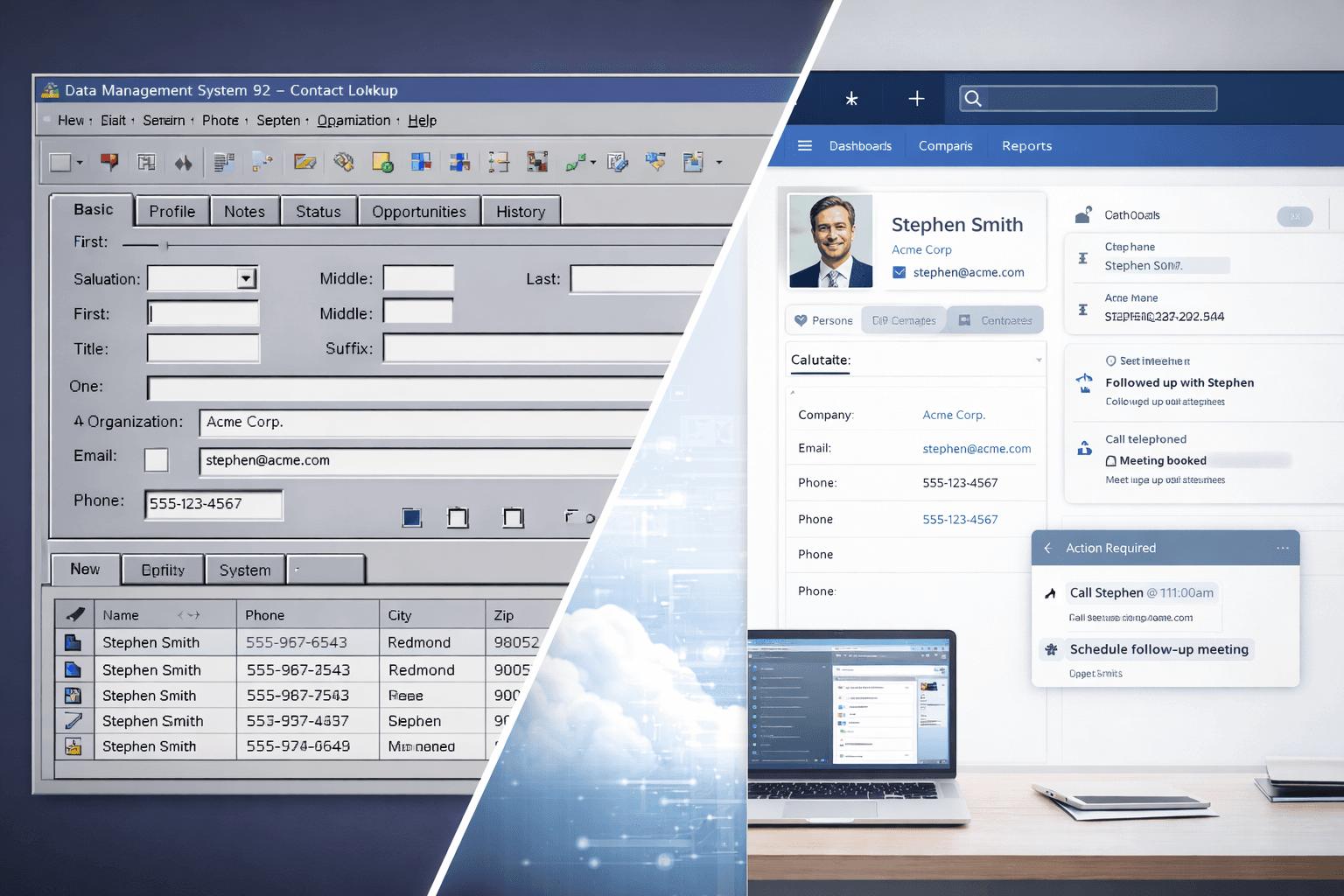
A few years ago, I inherited a cost model that had been passed down through three different analysts before me. It worked, mostly. The formulas were sound, the outputs matched historical data, and everyone who needed to use it knew which cells to update and which ones to leave alone.
What nobody could explain was why certain calculations lived in a hidden sheet, referenced by a chain of lookups that seemed designed to confuse. Or why one critical input had to be entered twice, in two different formats, or the whole thing broke silently. These weren't bugs. They were adaptations—small fixes layered on top of older fixes, each one solving a problem that no longer existed in a way that created new problems nobody had time to address.
I've come to think of this as the natural history of working software. Not decay, exactly. Something more like sedimentation.
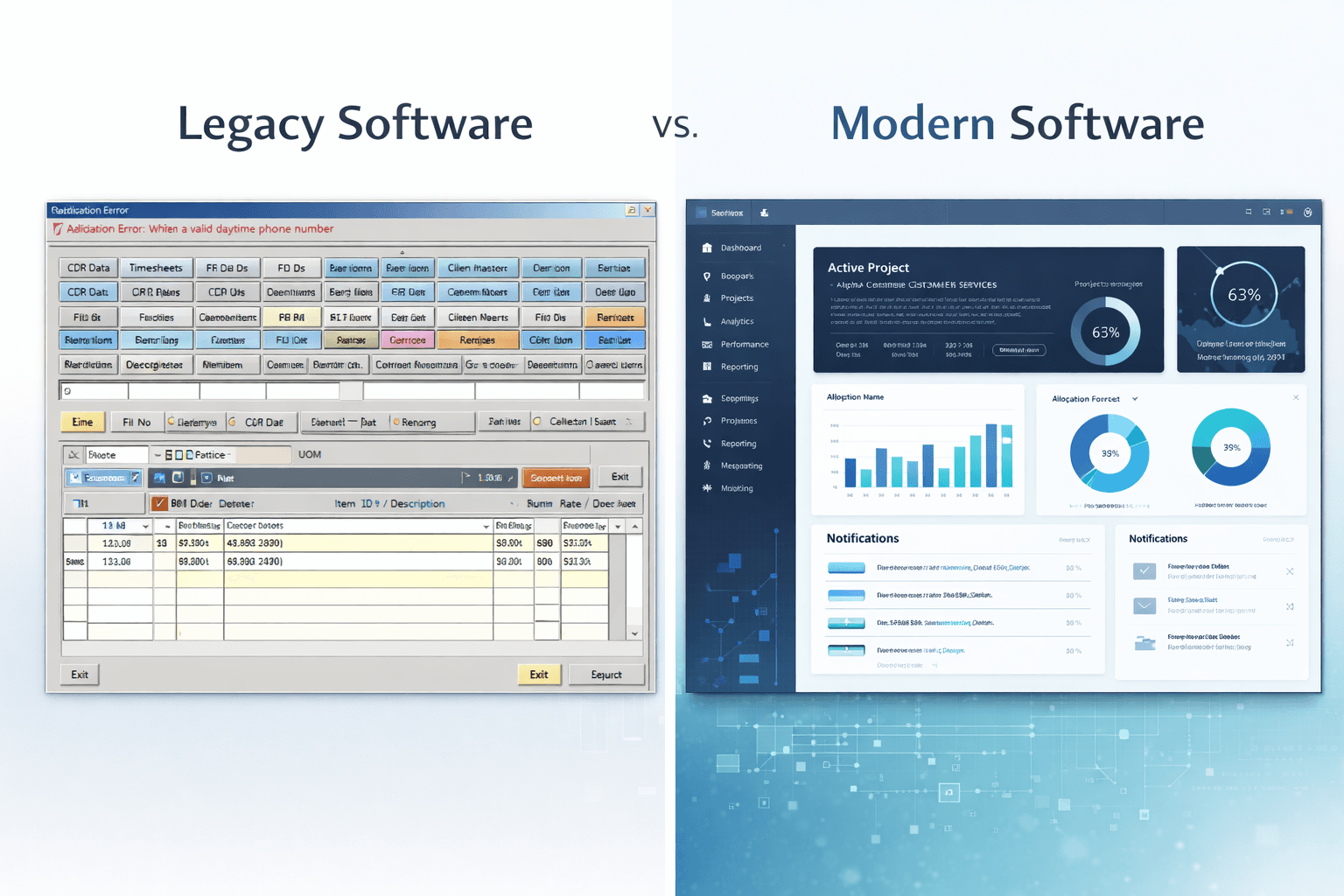
What We Mean When We Say Technical Debt
The phrase "technical debt" gets used so often in software discussions that it's lost some of its meaning. We reach for it whenever a system frustrates us, as if naming the problem explains it.
But the metaphor, when you sit with it, is more precise than it first appears. Debt isn't failure. Debt is a choice to borrow against the future—to ship something now and pay the cost of doing it properly later. Every software project makes this trade. The question isn't whether you'll accumulate debt, but whether you'll recognize what you owe.
The trouble is that technical debt compounds in ways financial debt doesn't. A shortcut taken in 2008 interacts with a shortcut taken in 2012, and together they constrain what's possible in 2020. The interest payments aren't scheduled. They show up unexpectedly, as bugs that shouldn't exist, as features that should take days but take months, as that sinking feeling when someone asks if the system can do something and you already know the answer is "technically yes, but."
In defense contracting, this compounding has been happening for decades. The systems we use weren't designed badly. They were designed for a world that no longer exists, then extended and patched and adapted until the original architecture became a constraint rather than a foundation.
The Reasonable Decisions That Got Us Here
It's tempting to blame someone. Poor planning. Short-sighted leadership. Engineers who didn't think ahead. But when you trace the history of most legacy systems, you find something more uncomfortable: a series of reasonable decisions made by reasonable people under real constraints.
The feature added hastily because a contract required it. The workaround implemented because the proper fix would have taken six months and the deadline was in six weeks. The documentation never written because everyone who needed to understand the system was still in the room. The upgrade deferred because the current version worked and budgets were tight.
Each decision made sense at the time. Each one added a small weight. Over years, the small weights became heavy.
I find this humbling. It's easy to look at legacy software and see only its limitations. It's harder to recognize that we're making the same kinds of decisions now, under the same kinds of pressures, and our work will look just as dated to the people who inherit it.

The Cost Nobody Budgets For
Technical debt is expensive, but not in ways that show up on financial statements. The costs are diffuse, distributed, easy to miss if you're not looking for them.
There's the cost of onboarding. Every workaround that exists only in someone's head is a barrier to bringing new people up to speed. When systems require months of tribal knowledge before someone can be productive, you're paying for that in slower hiring, longer ramp-up times, and the constant risk that key knowledge walks out the door.
There's the cost of brittleness. Systems accumulated through decades of patches become fragile in unpredictable ways. Changing one thing breaks another thing that shouldn't be connected. Teams become afraid to touch code that works, even when it barely works, because the consequences of breaking it are worse than the consequences of leaving it alone.
There's the cost of opportunity. Every hour spent maintaining a system that fights you is an hour not spent on work that moves you forward. The energy absorbed by legacy software is energy unavailable for innovation, for improvement, for the kind of thinking that creates competitive advantage.
These costs are real, but they're hard to quantify. They don't appear as line items. They appear as a general slowness, a pervasive friction, a sense that everything takes longer than it should.
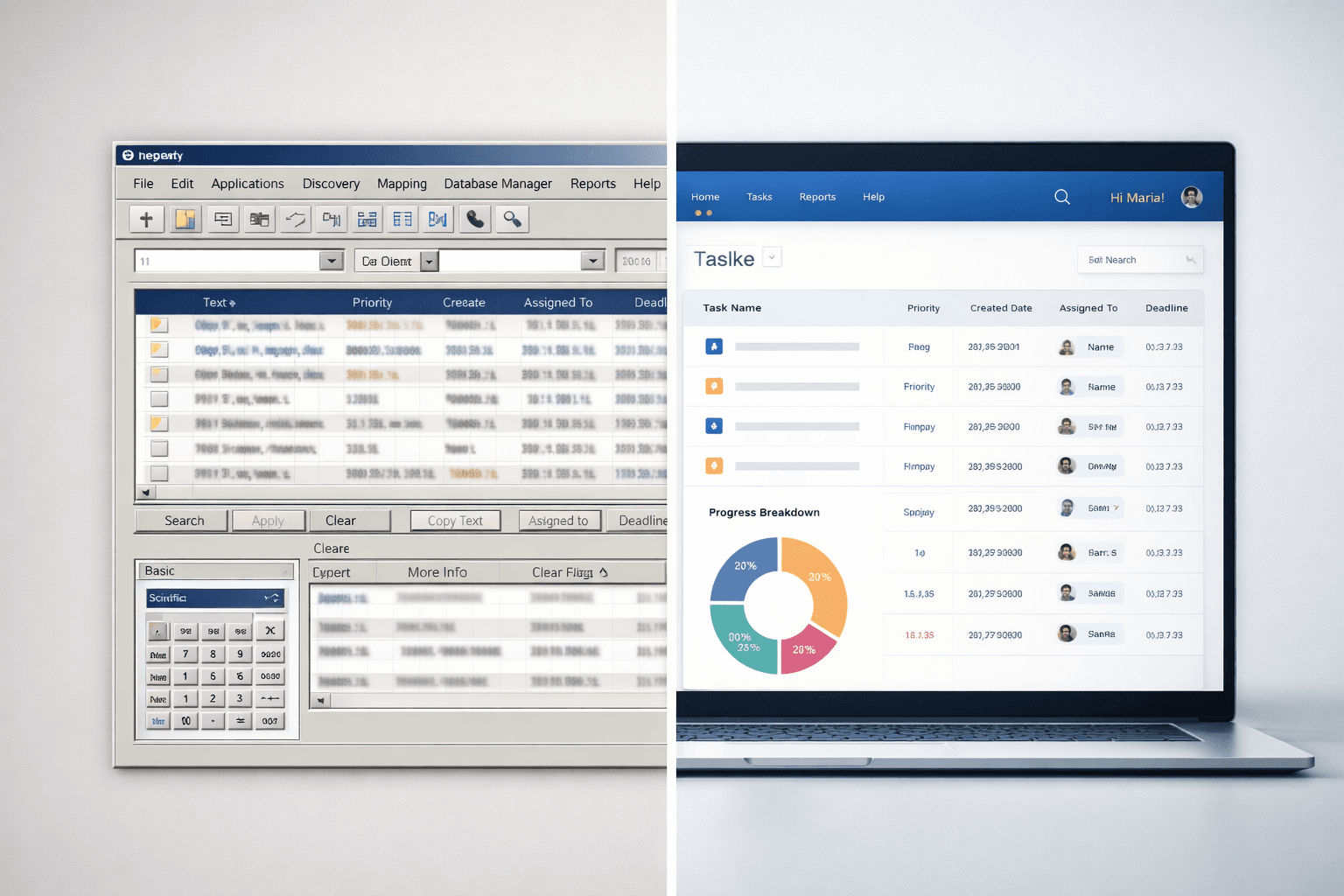
The Path Through
I don't have a simple prescription here. Anyone who tells you legacy modernization is straightforward is selling something. The systems we've built are genuinely complex, and untangling them requires patience, resources, and a tolerance for ambiguity that most organizations struggle to maintain.
But I've noticed a few things that seem to matter.
The first is honesty about the current state. It's hard to address technical debt you won't acknowledge. This means looking clearly at what the systems actually do, how they actually work, and what maintaining them actually costs—not the official version, but the lived experience of the people who use them every day.
The second is thinking in increments. Wholesale replacement rarely works. The systems we're trying to replace have decades of edge cases built into them, behaviors that users depend on even when those behaviors aren't documented or intentional. Incremental improvement, with clear boundaries and reversible decisions, tends to go better than grand redesigns.
The third is investing in understanding before investing in building. The greatest risk in modernization isn't building the wrong thing. It's building something that solves the wrong problem—automating a workflow that shouldn't exist, or replicating limitations that were never actually requirements.
None of this is fast. None of it is glamorous. It's the slow, careful work of understanding what we have, deciding what we need, and building bridges between the two.
What We Owe the Future
Every system we build today will become someone else's legacy software. The code we write, the architectures we choose, the shortcuts we take—all of it will be inherited by people who weren't in the room when the decisions were made.
This isn't a reason to pursue perfection. Perfection is its own kind of trap, a way of never shipping anything at all. But it's a reason to be thoughtful about the trade-offs we make, to document not just what we built but why, and to leave the clearest possible trail for the people who come after us.
The weight of what we built is always there, whether we acknowledge it or not. The question is whether we'll pass it on consciously, with care—or let it accumulate silently until the next generation wonders how things got this way.
Indy-Pendent Solutions helps government contractors navigate software modernization while maintaining the institutional knowledge that keeps operations running. josh@indypendentsolutions.com
Topics

Josh Parker
Founder of Indy-Pendent Solutions and flowState Software. Former Air Force combat rescue pilot, defense program manager, and capture strategist with 20+ years in defense acquisition.
Need help with your next capture?
Our software tools can help you win more government contracts.